Who he was
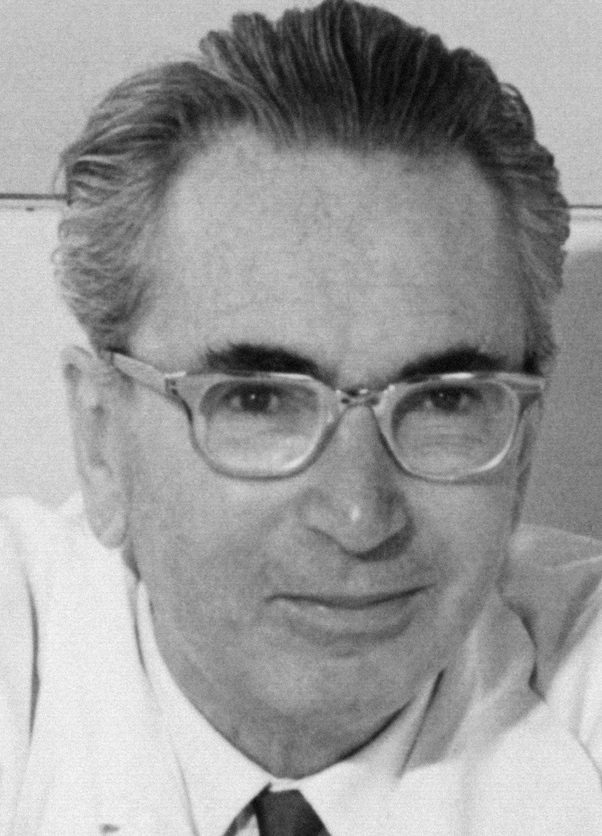
Viktor Emil Frankl was born on 26 March 1905 in Vienna into a Jewish family and died there on 2 September 1997. He was a neurologist and psychiatrist, held doctorates in medicine (1930) and philosophy (1948), and was a professor at the University of Vienna. He created logotherapy - a school of psychotherapy that regards the will to meaning as the basic motivating force of human beings. A detailed chronology can be found on the Timeline page.
Childhood and youth
He was the second of three children of Gabriel Frankl, an official in the Ministry of Social Welfare, and Elsa née Lion, who came from Prague. During the First World War the family lived in poverty. As a secondary-school student Frankl attended lectures on psychology and corresponded with Sigmund Freud, who passed one of his texts on for publication in the “Internationale Zeitschrift für Psychoanalyse”. In 1921, aged 16, he gave his first public lecture - “On the Meaning of Life”.
From Freud through Adler to his own path
From 1924 he studied medicine and joined the circle of Alfred Adler (individual psychology). As early as 1926 he publicly used the word “logotherapy”. In 1927 he was expelled from the Adlerian group because his views on meaning and human freedom did not fit their theory.
Doctor of young people and the suicidal
In 1928-1929 he co-founded free youth counselling centres in Vienna. In 1930 he organised support for students during the period when school reports were issued - in the following year no student suicides were recorded in Vienna, which brought him international attention. In 1933-1937 he headed the ward for women after suicide attempts at the Am Steinhof psychiatric hospital, caring for about 3,000 patients a year.
War and the camps
After the Anschluss (1938), as a Jew he lost the right to practise normally. From 1940 he headed the neurology department of the Rothschild Hospital, where - at the risk of his life - he issued false diagnoses to protect mentally ill patients from Nazi “euthanasia”. He gave up an American visa so as not to leave his elderly parents. In 1941 he married the nurse Tilly Grosser.
On 25 September 1942 he was deported with his wife and parents to the Theresienstadt (Terezín) ghetto. His father died there of exhaustion. In October 1944 he was taken to Auschwitz, then to the Dachau subcamps Kaufering and Türkheim. His mother was murdered in the gas chambers of Auschwitz, his brother Walter also died in Auschwitz, and his wife Tilly died in Bergen-Belsen. Only his sister Stella, who had emigrated to Australia, survived. The Türkheim camp was liberated by the American army on 27 April 1945.
Frankl took to the camp the manuscript of his book “Ärztliche Seelsorge” sewn into the lining of his coat - he lost it in Auschwitz. Suffering from typhus, he reconstructed it in shorthand notes on scraps of paper, which - as he recalled - helped him survive.
After the war
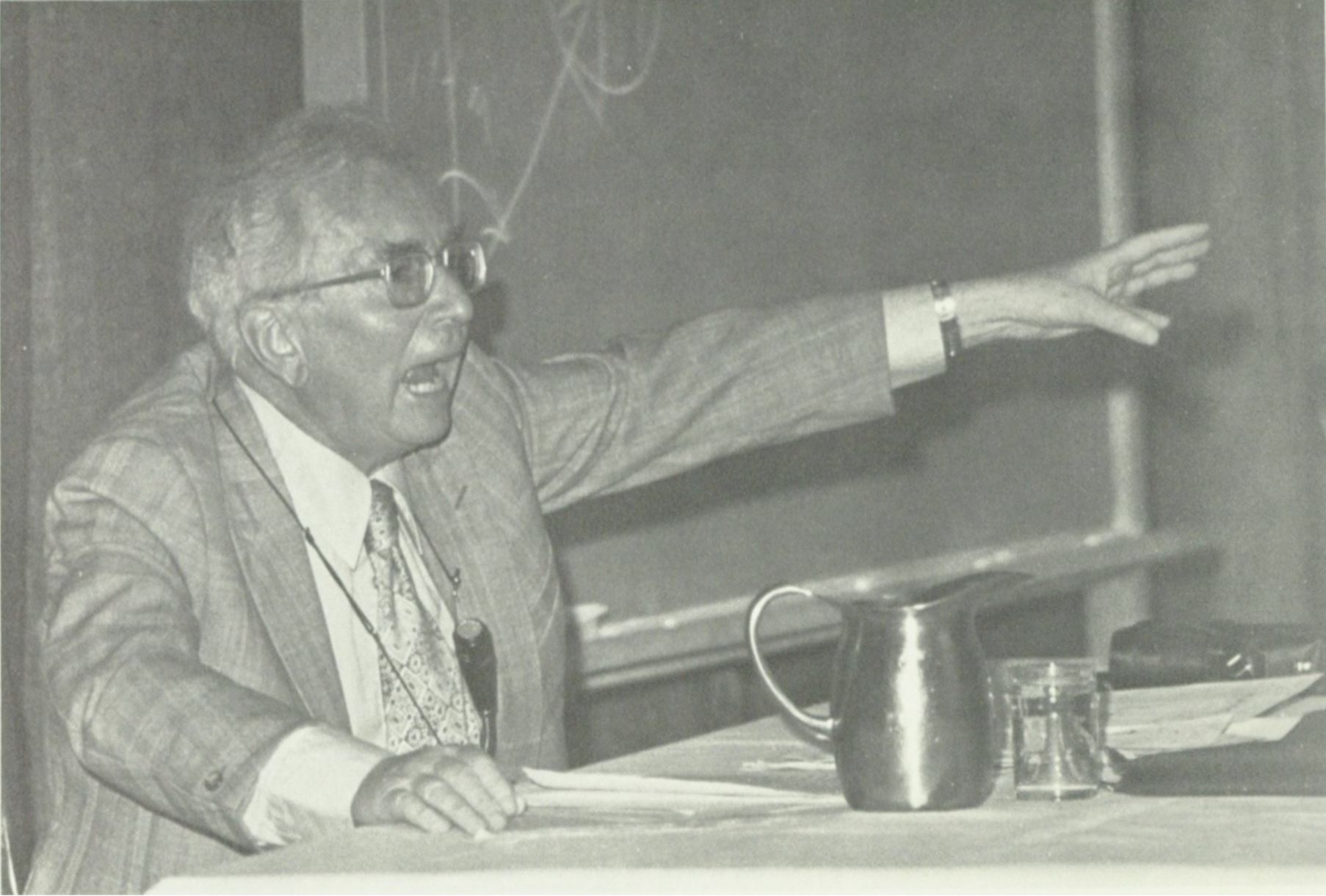
In 1946 he became head of the Vienna Neurological Polyclinic (for 25 years). In nine days he dictated a book about his camp experience, known today as “Man's Search for Meaning”. In 1947 he married Eleonore (“Elly”) Schwindt, with whom he had a daughter, Gabriele. From 1955 he was a professor at the University of Vienna and lectured at Harvard, Stanford and San Diego (USIU, where a chair of logotherapy was founded in 1970), among others.
He wrote about 40 books translated into about 50 languages and received 29 honorary doctorates - including one from the Catholic University of Lublin in 1994. He was a passionate mountain climber and earned a pilot's licence at the age of 67. He died in Vienna of heart failure.
Significance
Frankl entered the history of psychology as the one who, alongside Freud (the will to pleasure) and Adler (the will to power), raised the question of meaning. His life became a testimony to the thesis that a human being retains the freedom of attitude even in utterly inhuman conditions.
Sources
Viktor Frankl Institut Wien - biography (viktorfrankl.org/biography.html); Encyclopaedia Britannica; Wikipedia (de, en, pl); P. Hornik, Biografistyka Pedagogiczna (2025).